Mastering Excavation Project Planning for Ohio Plumbing
- Sammy Kale
- Mar 23
- 4 min read

When it comes to plumbing projects in Ohio, especially those involving excavation, careful planning is the key to success. Excavation is a critical step that can impact the entire plumbing system, from installation to maintenance. Whether you’re working on a residential or commercial property, understanding the ins and outs of excavation project planning can save you time, money, and headaches.
In this post, I’ll walk you through the essential steps to master excavation project planning for Ohio plumbing. I’ll share practical tips, examples, and insights to help you navigate the process smoothly and confidently.
Why Excavation Project Planning Matters
Excavation is more than just digging a hole. It involves precise coordination, safety measures, and compliance with local regulations. Without proper planning, you risk damaging underground utilities, causing delays, or facing costly repairs.
Here’s why excavation project planning is crucial:
Safety First: Excavation sites can be hazardous. Planning ensures that safety protocols are in place to protect workers and property.
Cost Efficiency: Avoid unexpected expenses by mapping out the project scope and resources ahead of time.
Regulatory Compliance: Ohio has specific rules for excavation, including permits and utility locates. Planning helps you stay compliant.
Project Timeline: A well-planned excavation keeps your plumbing project on schedule.
Quality Assurance: Proper excavation supports the integrity of plumbing installations, preventing future issues.
By focusing on these areas, you set the stage for a successful plumbing project that meets your needs and expectations.
Key Steps in Excavation Project Planning
Planning an excavation project involves several important steps. Here’s a straightforward guide to help you get started:
1. Site Assessment and Survey
Before any digging begins, conduct a thorough site assessment. This includes:
Identifying the exact location for excavation.
Checking soil conditions and drainage.
Locating existing underground utilities like water, gas, and electrical lines.
Using professional survey tools or hiring experts can provide accurate data to avoid surprises.
2. Obtain Necessary Permits
Ohio requires permits for excavation work, especially in urban areas. Contact your local municipality or county office to:
Apply for excavation permits.
Schedule utility locates through services like Ohio811.
Understand any zoning or environmental restrictions.
3. Develop a Detailed Excavation Plan
Create a plan that outlines:
The scope and depth of excavation.
Equipment and materials needed.
Safety measures and traffic control if applicable.
Timeline and milestones.
This plan acts as a roadmap for everyone involved.
4. Coordinate with Plumbing and Other Contractors
Excavation often involves multiple trades. Coordinate with plumbers, electricians, and other contractors to:
Schedule work phases.
Share plans and updates.
Avoid conflicts or delays.
5. Prepare the Site
Clear the area of obstacles, mark boundaries, and set up safety barriers. Make sure all workers understand the plan and safety protocols.
6. Execute and Monitor Excavation
During excavation:
Follow the plan closely.
Monitor soil stability and weather conditions.
Keep communication open among the team.
After excavation, inspect the site to ensure it meets project requirements before proceeding with plumbing installation.
Is Toledo Growing or Shrinking?
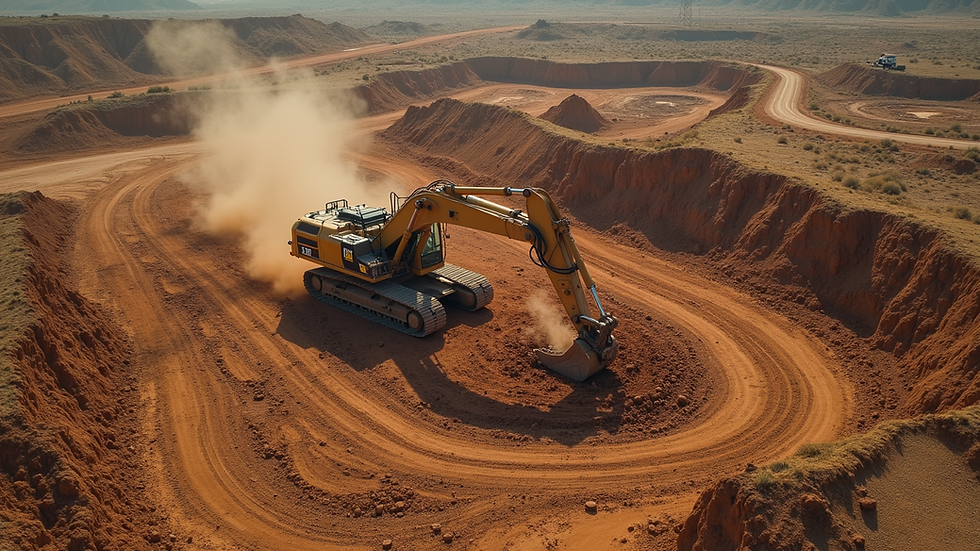
Understanding the local context is important when planning excavation projects. Toledo, Ohio, has experienced various economic and demographic changes over the years. Currently, Toledo is showing signs of steady growth, driven by revitalization efforts and investments in infrastructure.
This growth means more construction and plumbing projects, increasing the demand for reliable excavation services. For homeowners and businesses, this trend highlights the importance of working with experienced professionals who understand the local environment and regulations.
Knowing that Toledo is growing helps you anticipate potential challenges like increased permit processing times or utility congestion. It also means more opportunities to improve your property’s plumbing with well-planned excavation work.
Common Challenges in Ohio Excavation Projects and How to Overcome Them
Excavation projects can face several hurdles, especially in Ohio’s diverse terrain and urban settings. Here are some common challenges and practical solutions:
Unmarked Utilities
Even with utility locates, some lines may be missed. To avoid damage:
Use ground-penetrating radar if possible.
Dig carefully by hand near known utility areas.
Have emergency contacts ready in case of accidental strikes.
Weather Conditions
Ohio weather can be unpredictable, with rain or snow affecting soil stability. Plan excavation during favorable seasons and:
Monitor weather forecasts.
Use erosion control measures.
Schedule flexible timelines to accommodate delays.
Soil and Groundwater Issues
Certain soil types or high groundwater levels can complicate excavation. Address these by:
Conducting soil tests before digging.
Using dewatering pumps if necessary.
Reinforcing excavation walls to prevent collapse.
Regulatory Delays
Permit approvals and inspections can slow down projects. Stay ahead by:
Submitting complete and accurate permit applications.
Communicating regularly with local authorities.
Scheduling inspections early in the project timeline.
By anticipating these challenges, you can keep your excavation project on track and avoid costly setbacks.

Practical Tips for Homeowners and Businesses
Whether you’re managing a small residential plumbing upgrade or a large commercial project, these tips will help you master excavation planning:
Hire Experienced Professionals: Choose contractors familiar with Ohio’s regulations and soil conditions.
Communicate Clearly: Keep all parties informed about schedules, changes, and safety protocols.
Document Everything: Maintain records of permits, inspections, and site assessments.
Plan for Contingencies: Budget extra time and money for unexpected issues.
Prioritize Safety: Ensure all workers have proper training and equipment.
For those in Northwest Ohio and Southeast Michigan, working with trusted local providers like ohio flowco toledo can make a big difference. Their expertise in plumbing, sewer, and excavation services ensures your project is handled with care and professionalism.
Moving Forward with Confidence
Mastering excavation project planning is about preparation, communication, and attention to detail. By following the steps outlined here, you can approach your Ohio plumbing excavation with confidence and peace of mind.
Remember, every project is unique. Take the time to assess your specific needs, consult with experts, and stay informed about local requirements. This approach will help you avoid common pitfalls and achieve lasting results.
If you’re ready to start your excavation project or need guidance, don’t hesitate to reach out to professionals who understand the local landscape and plumbing challenges. With the right plan in place, your plumbing system will be built on a solid foundation.
By investing in thorough excavation project planning, you’re not just digging a hole - you’re laying the groundwork for a reliable, efficient plumbing system that serves your home or business for years to come.


Comments